
Why a Fast Charging Phone is Important Today
In today’s world, a smartphone is not just a communication device but an essential part of our daily life. From work to entertainment, we depend heavily on our phones. One of the biggest issues users face is battery drain, and this is where a it is becomes extremely useful.
It is allows you to quickly recharge your battery and continue your tasks without long waiting times. Whether you are gaming, streaming, or working, a reliable it can significantly improve your productivity and convenience.
What is a Fast Charging Phone?
A fast charging phone is a smartphone designed to charge its battery much faster than traditional devices. While older phones could take 2–3 hours to fully charge, a modern FCP can reach a high percentage in just 30–60 minutes.
Many smartphone brands now offer charging technologies like 33W, 44W, 65W, and even 100W, making a FCP more powerful and efficient than ever before.
How a Fast Charging Phone Works
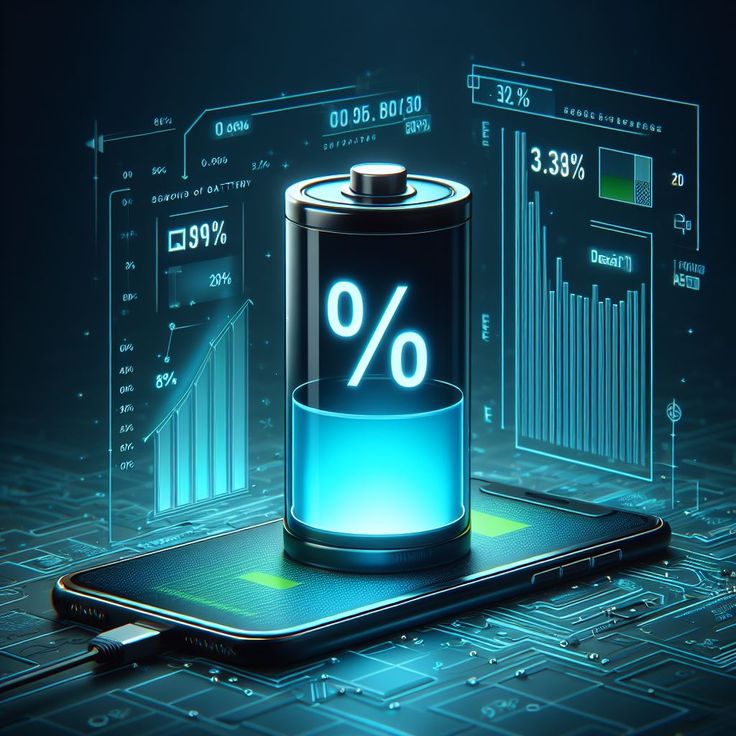
A fast charging phone works by increasing the amount of power delivered to the battery. This is achieved through higher voltage, current, or both. The internal circuitry of a regulates this power to prevent overheating and ensure safety.
Modern fast charging systems use intelligent algorithms to optimize charging speed. A FPC typically charges rapidly up to a certain percentage (usually 70–80%) and then slows down to protect battery health. This ensures that your fast charging phone remains efficient and durable over time.
Benefits of Using a Fast Charging Phone
One of the biggest advantages of owning a FC is time-saving. Instead of waiting hours, users can quickly recharge their devices during short breaks. A FCP is ideal for people with busy schedules who rely heavily on their smartphones throughout the day.
Another benefit of a FCP is improved productivity. With less downtime, you can focus on your tasks without worrying about battery drain. Additionally, a FCP enhances user experience, especially for gamers and content consumers who need uninterrupted usage.
Portability is another key advantage. A fast charging phone allows travelers to charge their devices quickly at airports, cafes, or even in cars. This makes a PFC a reliable companion for those constantly on the move.
Side Effects of Fast Charging Phones
One of the most talked-about side effects of a fast charging phone is heat generation. When higher power flows into the battery, it naturally produces more heat. Over time, frequent heating can affect internal components and may slightly reduce overall battery efficiency. While modern phones are designed to manage heat, consistent exposure to high temperatures isn’t ideal for long-term battery health.
Another important concern is battery degradation. Every smartphone battery has a limited number of charge cycles. A fast charging phone pushes energy into the battery quickly, which can put extra stress on lithium-ion cells. Over months or years, this may lead to the battery holding less charge compared to slower charging methods. That’s why some users notice their battery draining faster after prolonged heavy use of fast charging.
There’s also the issue of dependency on specific chargers. A fast charging phone often requires a compatible adapter and cable to achieve maximum speed. If you use a regular charger, the speed drops significantly. This can be inconvenient, especially when traveling or borrowing chargers, as not all accessories will support your fast charging phone properly.
Battery swelling risks, although rare, can also be linked to excessive heat and stress. If a fast charging phone is used in hot environments or with low-quality chargers, it increases the chances of internal battery damage. This is why using certified accessories is extremely important.
Another side effect is reduced efficiency after a certain percentage. A fast charging phone typically slows down charging after 70–80% to protect the battery. This means the “fast” experience is not consistent throughout the entire charging cycle, which can sometimes confuse users expecting constant high speed.
Frequent use of a fast charging phone can also lead to higher power consumption habits. Since charging is quick and easy, users may become less mindful about battery usage, leading to more frequent charging cycles. Over time, this behavior contributes to faster battery wear.
There is also a cost factor involved. Phones with advanced charging technology and their accessories tend to be more expensive. Maintaining a fast charging phone—including buying original chargers and cables—can add to the overall cost.
Lastly, long-term battery lifespan can be slightly shorter if fast charging is used excessively without care. While a fast charging phone is designed to handle high speeds, combining it with habits like overnight charging, heavy usage while charging, or exposure to heat can accelerate wear and tear.
Conclusion
A fast charging phone is incredibly useful, but it’s not completely free from drawbacks. Heat, battery wear, and dependency on proper accessories are the main side effects. However, with careful usage—like avoiding overheating and using original chargers—you can minimize these issues and still enjoy the benefits of your fast charging phone.
Side Effects of Fast Charging Phones
One of the most talked-about side effects of a fast charging phone is heat generation. When higher power flows into the battery, it naturally produces more heat. Over time, frequent heating can affect internal components and may slightly reduce overall battery efficiency. While modern phones are designed to manage heat, consistent exposure to high temperatures isn’t ideal for long-term battery health.
Another important concern is battery degradation. Every smartphone battery has a limited number of charge cycles. A fast charging phone pushes energy into the battery quickly, which can put extra stress on lithium-ion cells. Over months or years, this may lead to the battery holding less charge compared to slower charging methods. That’s why some users notice their battery draining faster after prolonged heavy use of fast charging.
There’s also the issue of dependency on specific chargers. A fast charging phone often requires a compatible adapter and cable to achieve maximum speed. If you use a regular charger, the speed drops significantly. This can be inconvenient, especially when traveling or borrowing chargers, as not all accessories will support your fast charging phone properly.
Battery swelling risks, although rare, can also be linked to excessive heat and stress. If a fast charging phone is used in hot environments or with low-quality chargers, it increases the chances of internal battery damage. This is why using certified accessories is extremely important.
Another side effect is reduced efficiency after a certain percentage. A fast charging phone typically slows down charging after 70–80% to protect the battery. This means the “fast” experience is not consistent throughout the entire charging cycle, which can sometimes confuse users expecting constant high speed.
Frequent use of a fast charging phone can also lead to higher power consumption habits. Since charging is quick and easy, users may become less mindful about battery usage, leading to more frequent charging cycles. Over time, this behavior contributes to faster battery wear.
There is also a cost factor involved. Phones with advanced charging technology and their accessories tend to be more expensive. Maintaining a fast charging phone—including buying original chargers and cables—can add to the overall cost.
Lastly, long-term battery lifespan can be slightly shorter if fast charging is used excessively without care. While a fast charging phone is designed to handle high speeds, combining it with habits like overnight charging, heavy usage while charging, or exposure to heat can accelerate wear and tear.
Conclusion
A fast charging phone is incredibly useful, but it’s not completely free from drawbacks. Heat, battery wear, and dependency on proper accessories are the main side effects. However, with careful usage—like avoiding overheating and using original chargers—you can minimize these issues and still enjoy the benefits of your fast charging phone.
Lorem ipsum dolor sit amet, consectetur adipiscing elit. Ut elit tellus, luctus nec ullamcorper mattis, pulvinar dapibus leo.